
When tackling any construction or renovation project, choosing the right plasterboard can make all the difference in terms of durability, functionality, and cost-efficiency. At The Good Sheet, we understand the importance of selecting materials that suit your specific needs, whether it's for walls, ceilings, or specialised applications. This comprehensive guide breaks down the various types of plasterboard, their benefits, and key considerations to help you make an informed decision.
What is Plasterboard?
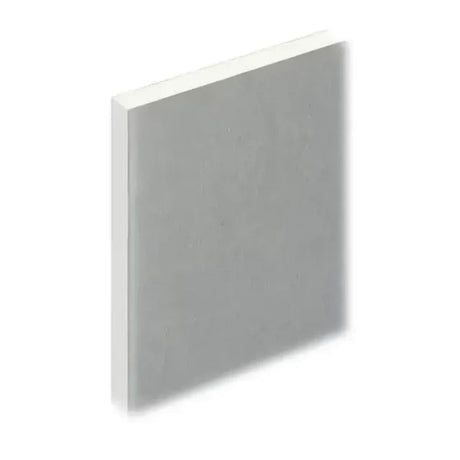
Plasterboard, also known as drywall or gypsum board, is a versatile sheet material used in construction for creating smooth interior walls and ceilings. It's made by sandwiching a gypsum core between layers of paper or fibreglass, resulting in a lightweight yet sturdy panel. The installation process, often called dry lining, allows for quick and efficient building without the mess of traditional wet plastering.
Plasterboard offers numerous advantages, including ease of installation, excellent finish quality, and compatibility with various finishes like paint or wallpaper. It comes in standard and specialised varieties to address different environmental and performance requirements.
Types of Plasterboard
With so many options available, it's essential to match the plasterboard type to your project's demands. Here's a rundown of the most common types:
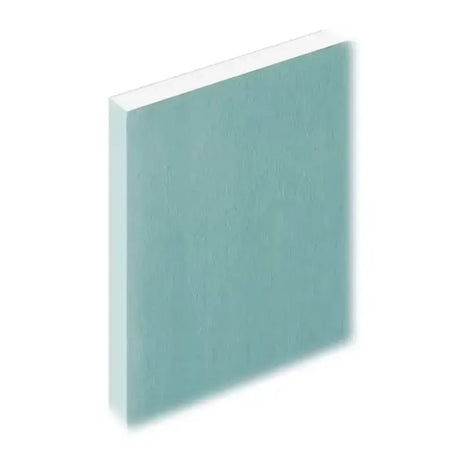
- Water-Resistant Plasterboard: Ideal for high-moisture areas like bathrooms, kitchens, or even sheltered outdoor spots (e.g., under eaves). It features additives in the core that resist water absorption and prevent mold growth. Using it incorrectly can lead to structural issues, so proper installation is key to avoid costly repairs.
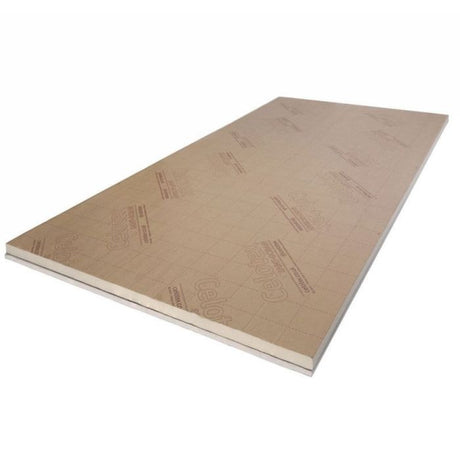
- Insulated (Thermal) Plasterboard: This type incorporates insulation layers for enhanced thermal performance, protecting against cold, heat, and dampness. It's a smart choice for energy-efficient homes, offices, or industrial spaces, helping reduce heating and cooling costs over time.
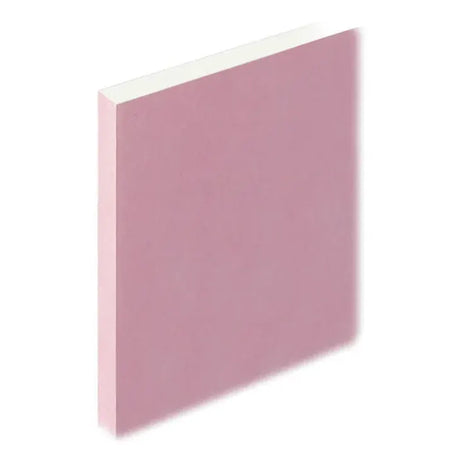
- Fire-Resistant Plasterboard: Designed to slow the spread of flames, this board includes reinforcements like glass fibers for added heat resistance. Ratings vary, but it can provide up to two hours of protection. It's commonly used in areas requiring fire safety compliance, such as garages or multi-story buildings.
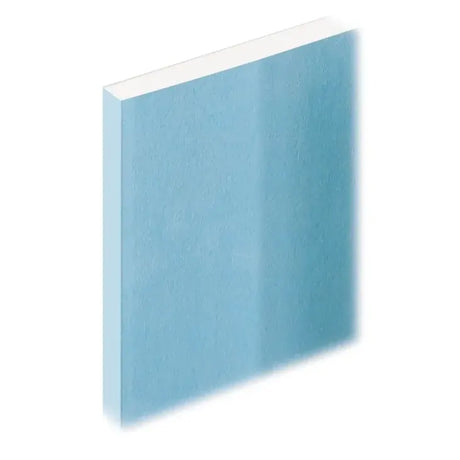
- Acoustic Plasterboard: Perfect for noise reduction, this thicker board (often around 12.5mm) minimizes sound transmission through walls and ceilings. It's popular in home theaters, recording studios, or apartments where privacy is a priority. High-quality versions blend gypsum with recycled fibers for optimal soundproofing.
- Impact-Resistant Plasterboard: Built for high-traffic or heavy-duty areas, this dense board offers superior strength and durability thanks to additives like cement or limestone. It meets standards like British Standard BS 5234 and is great for schools, gyms, or commercial spaces prone to wear and tear.
Available Plasterboard Sizes
Plasterboard dimensions can vary based on the application, type, and manufacturer. Standard widths range from 0.9m to 1.2m, with lengths typically between 1.8m and 3.6m. Thickness is a crucial factor:
- Common thicknesses: 9.5mm or 12.5mm for general use.
- Specialized options: Up to 15mm for fire-resistant boards or thicker for enhanced insulation.
For ceilings, opt for lighter boards to ease installation, while walls might require sturdier options. Custom sizes are available for unique projects—consult with our team at The Good Sheet for tailored recommendations.
Best Plasterboard for Ceilings
For standard home ceilings, water-resistant plasterboard works well in moisture-prone areas like bathrooms. If sound insulation isn't a top priority, lightweight acoustic boards are suitable for wooden joists or basic constructions. For taller ceilings or noise-sensitive spaces, go for full acoustic or fire-resistant varieties to ensure quiet and safety.
In rooms above garages or lofts, thicker boards (12.5mm or more) help reduce noise transfer and improve insulation.
How to Cut Plasterboard
Cutting plasterboard is straightforward with the right tools. Use a sharp utility knife and a straight edge for straight lines—score the surface, snap the board, and cut the backing. For curves or holes, a drywall saw or jab saw is ideal. Always wear safety gear like gloves and a mask to avoid dust. Finish edges with a rasp for smoothness.
How Long Does It Take to Plaster a Ceiling?
The timeline depends on the ceiling's size, complexity, and any additional features like molding. A small room might take 6-12 hours, a medium one 8-12 hours, and a large or intricate job could span 2-3 days. Professional installation ensures a flawless finish—consider our expert advice at The Good Sheet for efficient results.
Final Thoughts
If your existing walls or ceilings show signs of wear, upgrading to new plasterboard can refresh your space dramatically. The key is selecting the type that aligns with your environment, budget, and performance needs. Water-resistant for wet areas, insulated for energy savings, or acoustic for peace and quiet—each has its place.
What We Offer at The Good Sheet
At The Good Sheet, we stock a wide range of high-quality plasterboard types alongside our MDF, plywood sheets, cladding, sawn timber, and more. All our materials are sourced sustainably ensuring ethical and eco-friendly options for your DIY or professional projects.
Explore our full collection of sheet materials or check out related guides on timber and decking for more inspiration. Whether you're building walls, ceilings, or custom features, we've got the perfect plasterboard to elevate your project. Contact us today for expert guidance!