
When you’re converting a loft into a usable bedroom or home office, the biggest enemy is usually headroom. Every millimetre of insulation you add to the rafters is a millimetre of ceiling height you lose.
This is where the debate between PIR Board (like Celotex or Recticel) and Mineral Wool (like Rockwool or Knauf) becomes critical. Here is the breakdown of which material belongs in your loft conversion.
1. Thermal Performance & R-Values
In a loft conversion, the "R-Value" (thermal resistance) is the most important number. It tells you how well a material resists heat flow.
-
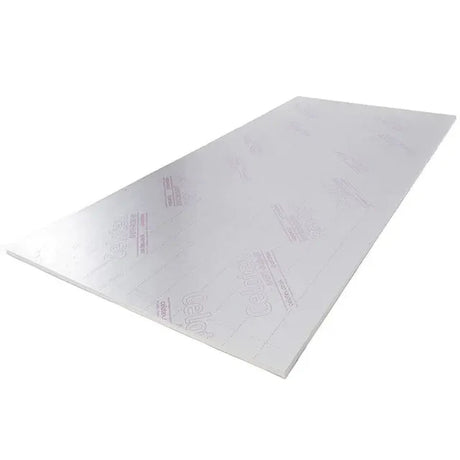
PIR Board: The undisputed king of efficiency. Because it’s a closed-cell foam, it has a very low thermal conductivity (typically around 0.022 W/mK). This means you can achieve your target U-value with a much thinner board.
-
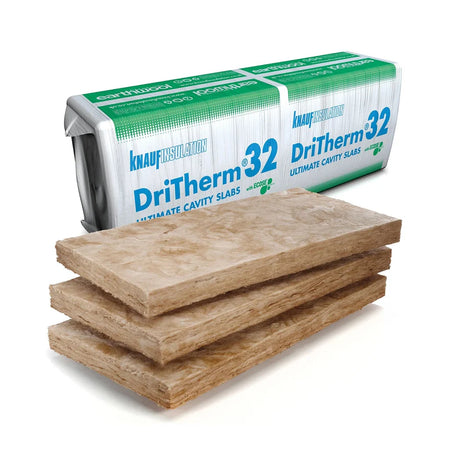
Mineral Wool: To match the performance of a 100mm PIR board, you would typically need about 160mm - 200mm of mineral wool.
The Verdict: If you are tight on space and want to maximise headroom, PIR Board is the clear winner.
2. Ease of Installation
The "better" material often depends on who is doing the work and the state of your roof timbers.
-
PIR Board (The Precision Task): These boards are rigid and lightweight. They are perfect for "between-rafter" insulation, but they require surgical precision. You have to cut them to the exact width of your rafter gaps. If you leave a 5mm gap, you get "thermal bridging" (cold spots). You also need to foil-tape every joint to ensure air-tightness.
-
Mineral Wool (The Forgiving Choice): Because it is flexible, mineral wool is much easier to "friction fit" into irregular gaps. If your 1930s rafters are slightly wonky or unevenly spaced, mineral wool will expand to fill the void effortlessly. However, it can be itchy to handle and requires a mask and goggles.
3. Price & Value
There is a significant gap in upfront costs, but you have to look at the "total build" cost.
| Feature | PIR Board | Mineral Wool |
| Material Cost | High (£££) | Low to Moderate (££) |
| Space Saved | Excellent | Poor (Bulky) |
| Lifespan | Very High (won't sag) | High (can sag if not secured) |
| Acoustics | Moderate | Excellent (Soundproof) |
Mineral Wool is significantly cheaper per square meter. If you have a massive loft with plenty of height to spare, "over-insulating" with thick layers of wool is the most budget-friendly way to hit building regulations.
PIR Board is an investment in the square footage of your home. By saving 100mm of ceiling height, you make the room feel larger, which can actually increase the resale value of the conversion.
4. The "Hidden" Factors: Fire & Sound
While R-value and price get all the attention, these two factors often change a builder’s mind:
-
Fire Safety: Mineral wool (specifically Stone Wool) is non-combustible (Euroclass A1). It can withstand temperatures over 1,000°C. PIR boards are combustible; while they are treated with fire retardants and "char" rather than melt, they do not offer the same fire barrier as wool.
-
Noise: If your house is under a flight path or near a busy road, Mineral Wool is superior. Its dense, fibrous structure is incredible at absorbing sound, whereas rigid PIR boards can sometimes act like a drum skin, echoing external noise.
The Final Recommendation
-
Choose PIR Board if: You have limited headroom, you want the highest possible energy rating, and your roof timbers are straight and modern.
-
Choose Mineral Wool if: You are on a budget, you want superior soundproofing, or you are doing the installation yourself and want a more "forgiving" material to work with.
Pro Tip: Many modern conversions use a hybrid approach. They put mineral wool between the rafters for sound and fire safety, then "over-board" with a thin layer of PIR to eliminate cold bridging and save space.