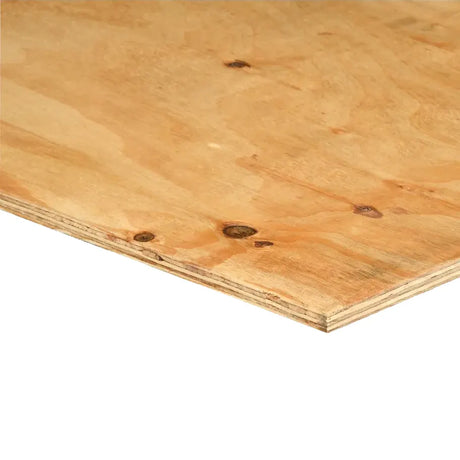

Choosing the correct plywood thickness is important for creating a strong, stable and long-lasting result. The best option depends on the project, the distance between supports and the weight the plywood must carry.
Common plywood thicknesses
3.6mm and 5.5mm plywood
Thin plywood sheets are lightweight and easy to cut. They are suitable for:
- Furniture backs
- Drawer bottoms
- Model making
- Decorative coverings
- Lightweight craft projects
These sheets bend more easily than thicker plywood, so they need adequate support.
9mm plywood
9mm plywood offers greater rigidity while remaining relatively lightweight. Typical uses include:
- Wall linings
- Shed interiors
- Furniture panels
- Packaging
- Decorative joinery
It may also be used for small shelves where the span is short and the expected load is light.
12mm plywood
A versatile choice for many DIY and joinery projects, 12mm plywood can be used for:
- Cabinets and cupboards
- Shelving
- Storage boxes
- Interior partitions
- General furniture making
For shelves, additional supports may be needed to prevent sagging—particularly where heavy items will be stored.
18mm plywood
18mm plywood is a popular structural and furniture-grade option because it provides excellent strength and stability. Common applications include:
- Flooring
- Strong shelving
- Workbenches
- Cabinets
- Roof and wall sheathing
- Built-in furniture
Always check that the plywood grade is suitable for the intended application, especially for structural or outdoor work.
25mm plywood
When a project needs maximum rigidity or must support substantial weight, 25mm plywood may be the right choice. It is often used for:
- Heavy-duty shelving
- Worktops
- Workshop furniture
- Platforms
- Load-bearing furniture components
Its additional weight and cost mean it is usually reserved for demanding applications.
Which thickness is best for flooring?
The correct plywood thickness for flooring depends on the supporting joists, their spacing and whether the sheet is being used as a structural floor or an overlay.
Thicker structural plywood is normally required when sheets are fixed directly over joists. A thinner sheet may be suitable when covering an existing, stable floor. Check the relevant building requirements and the plywood manufacturer’s guidance before installation.
Which thickness is best for shelving?
Short shelves carrying lightweight objects may only need 12mm plywood. Longer shelves or those intended for books, tools and other heavy items will generally benefit from 18mm or 25mm sheets.
Adding a solid timber front edge or intermediate support can greatly reduce bending without requiring a substantially thicker sheet.
Does plywood type matter?
Thickness is only part of the decision. Different plywood types are designed for different environments:
- Structural plywood is manufactured for load-bearing building applications.
- Marine plywood uses durable veneers and glue suitable for demanding, moisture-prone environments.
- Shuttering plywood is an economical option commonly used for temporary construction work.
- Birch plywood has a smooth finish and consistent core, making it popular for furniture and exposed joinery.
Plywood described as moisture-resistant is not automatically suitable for permanent outdoor exposure. Cut edges should also be properly sealed where moisture could enter.
Allow for manufacturing tolerances
The actual thickness of a plywood sheet can vary slightly from its stated size due to manufacturing and sanding tolerances. This is particularly important when cutting grooves, fitting panels into frames or combining plywood with other materials.
Choosing the right plywood
Before ordering, consider:
- How much weight the sheet must support
- The distance between supports
- Whether it will be used indoors or outdoors
- Whether the plywood will remain visible
- Any structural or building-regulation requirements
Choosing the right combination of thickness and plywood grade will produce a safer, stronger and better-looking result. If you are still unsure, speak to our team for help selecting the most suitable sheet for your project.